Adding solar power to a mobile home can effectively cut utility bills, but manufactured homes lack the roof load capacity of traditional stick-built houses. Instead of expensive framing retrofits, many residents are turning to lightweight panels and plug-and-play patio kits to generate power. This guide covers how to safely adapt solar for your mobile setup in 2026 without risking a collapsed roof or voiding a homeowner warranty.
Can Solar Panels Go on a Mobile Home? Understanding Feasibility and Regulations
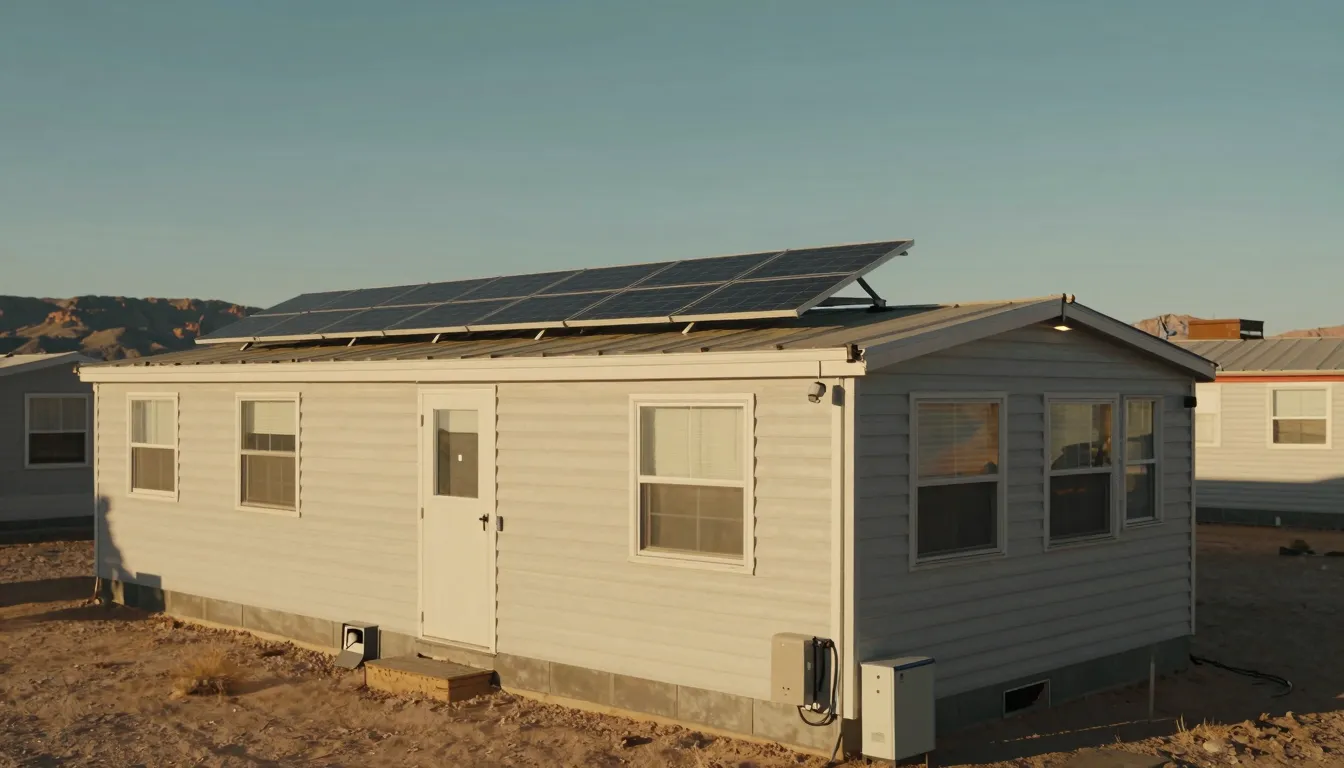
Many homeowners ask if traditional solar panels can go on a mobile home. The short answer is yes, but it depends heavily on the structure's age and local building codes. Mobile homes are constructed under federal HUD guidelines, which specify minimum roof load limits that are often much lower than those of conventional homes. Older units, or those built for regions with heavy snow loads, frequently lack the structural integrity to support dozens of heavy glass panels and aluminum racking.
Instead of drilling into a fragile roof to force compliance, many owners circumvent the issue by utilizing their lot space. Ground-mounted setups on a small yard or adjacent deck bypass structural roof limits entirely. Small-scale plug-in solar—frequently marketed as apartment solar or a Balkonkraftwerk in European markets—provides an easy workaround. These systems simply mount to a railing, temporary frame, or paved space, feeding power in without altering the manufactured home's original envelope.
Lightweight Solar Options: Choosing Mobile Home-Friendly Panels
When traditional framed monocrystalline panels are too heavy for a specific roof layout, lightweight solar panels for mobile homes become the obvious alternative. Standard rigid panels weigh 40 to 50 pounds each. If your structure is rated for a low pounds-per-square-foot live load, adding several hundred pounds of glass and metal hardware across a narrow span invites structural sagging and roof leaks over time.
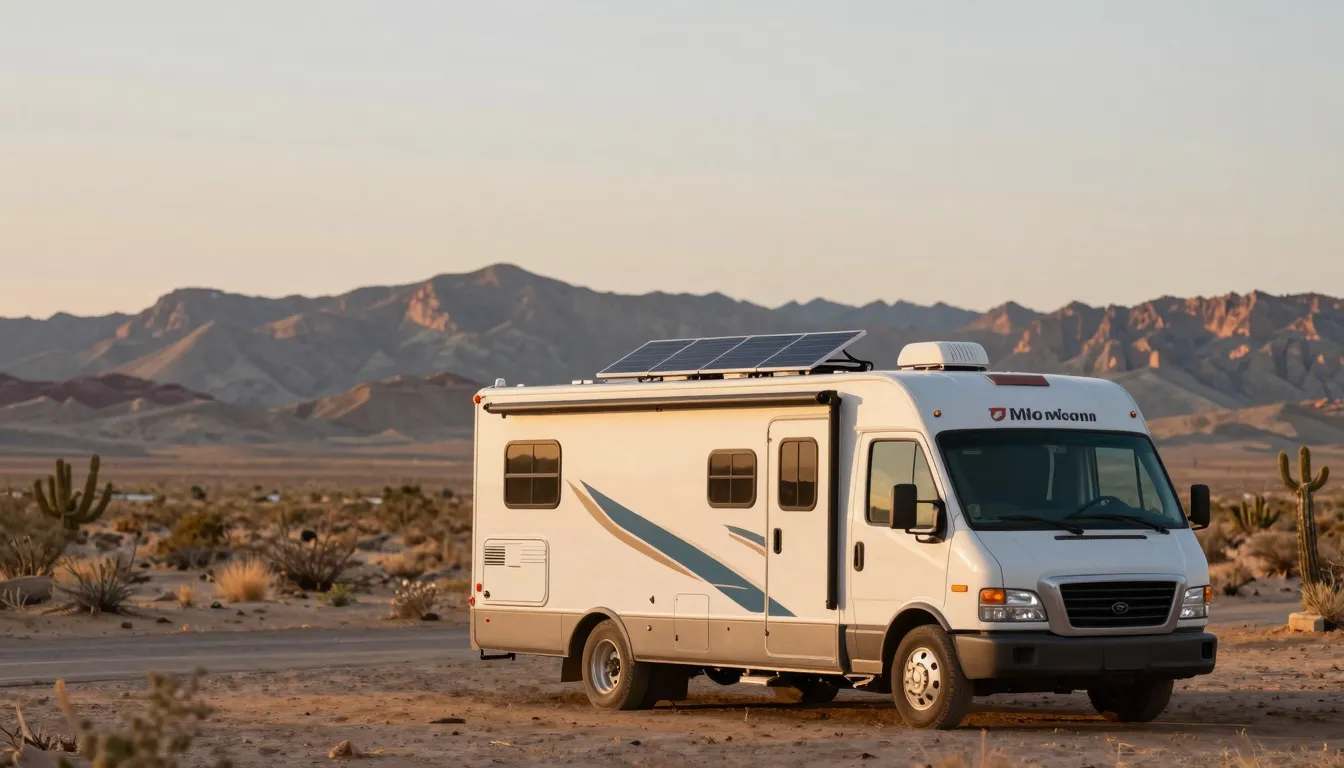
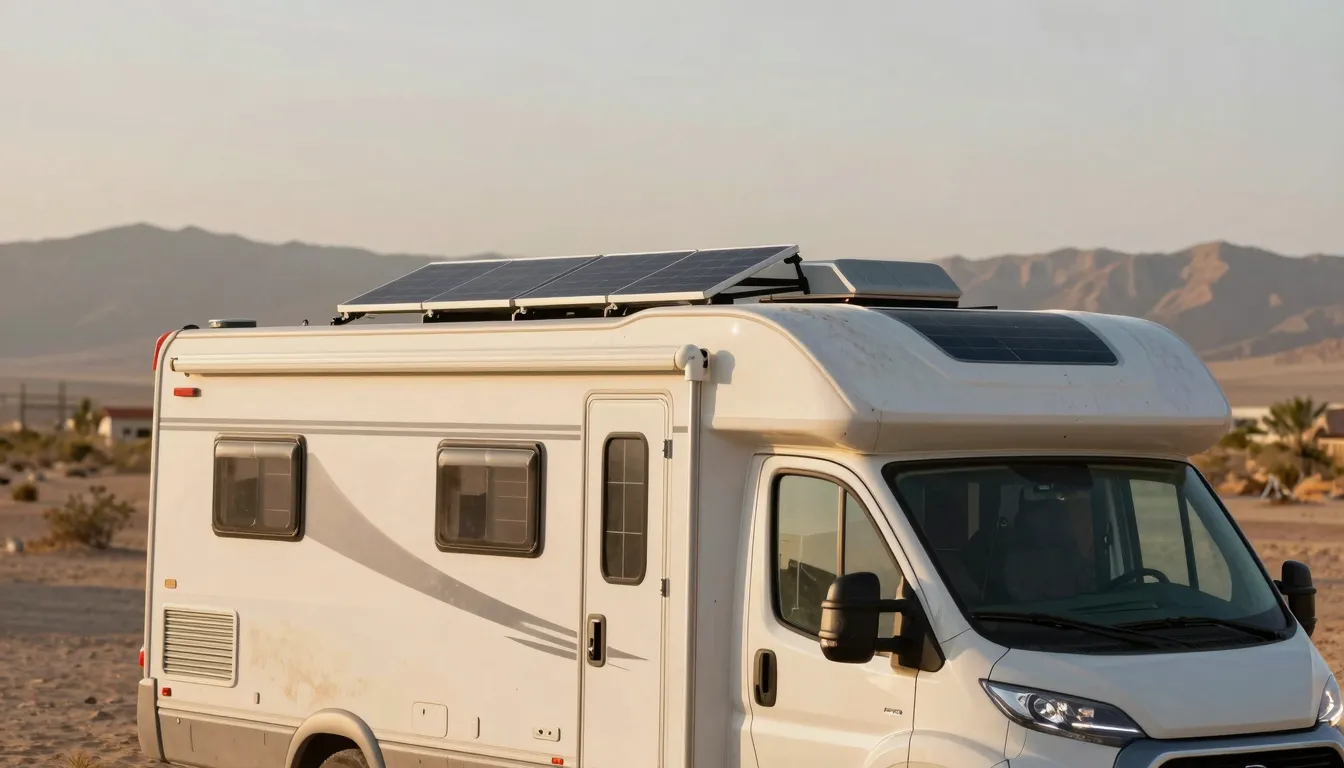
Flexible, thin-film panels or semi-flexible polymer panels can weigh up to 80% less than their glass counterparts. These are highly prevalent in mobile applications, and they often integrate cleanly into an rv solar panel kit with battery and inverter for off-grid hybrid setups. However, lightweight construction intrinsically sacrifices durability; polymer coatings are more susceptible to scratching, UV degradation, and hail damage than tempered glass.
Wind rating is another critical consideration, particularly in high-velocity hurricane zones. If you are shopping for solar panels for mobile homes near Cape Coral, FL, or solar panels for mobile homes near Fort Myers, FL, adhesive-backed flexible panels may not satisfy strict county wind ordinances for permanent roof structures. Always verify local code requirements prior to bonding hardware to an exterior surface.
| Panel Type | Average Weight (per 400W) | Mounting Style | Typical Lifespan |
|---|---|---|---|
| Standard Rigid Glass | 45 - 55 lbs | Aluminum Rails / Bolts | 25+ Years |
| Semi-Flexible Polymer | 10 - 15 lbs | VHB Tape / Zip Ties | 5 - 10 Years |
Determining which durability profile fits your location dictates heavily what you will spend over the hardware's lifespan, as flexible panels require replacement cycles over long-term habitation.
How Much Do Solar Panels Cost for a Mobile Home? Breaking Down the Numbers
Calculating the solar panels for mobile homes price relies entirely on the system's size and mounting strategy. Tracking published retail pricing and standard installer data as of 2026, a conventional 5kW to 6kW rooftop array will cost between $13,000 and $18,000 before applying federal tax credits. Crucially, if the installer requires a structural engineer to sign off on retrofitting the roof framing to handle the load, homeowners can easily face an additional $2,000 to $4,000 in carpentry costs before a single wire is pulled.
How much do solar panels cost for a mobile home if you opt out of rooftop installations? The micro solar route dramatically shifts the economics. A pre-packaged, 600W to 800W plug-and-play patio array costs roughly $600 to $900 based on current manufacturer pricing. Because these systems are deployed on the ground or a deck rail, they require zero building retrofits and no professional labor fees, making them highly accessible for rapid deployment.
Installation & Safety: Mounting Solar on Mobile Home Roofs
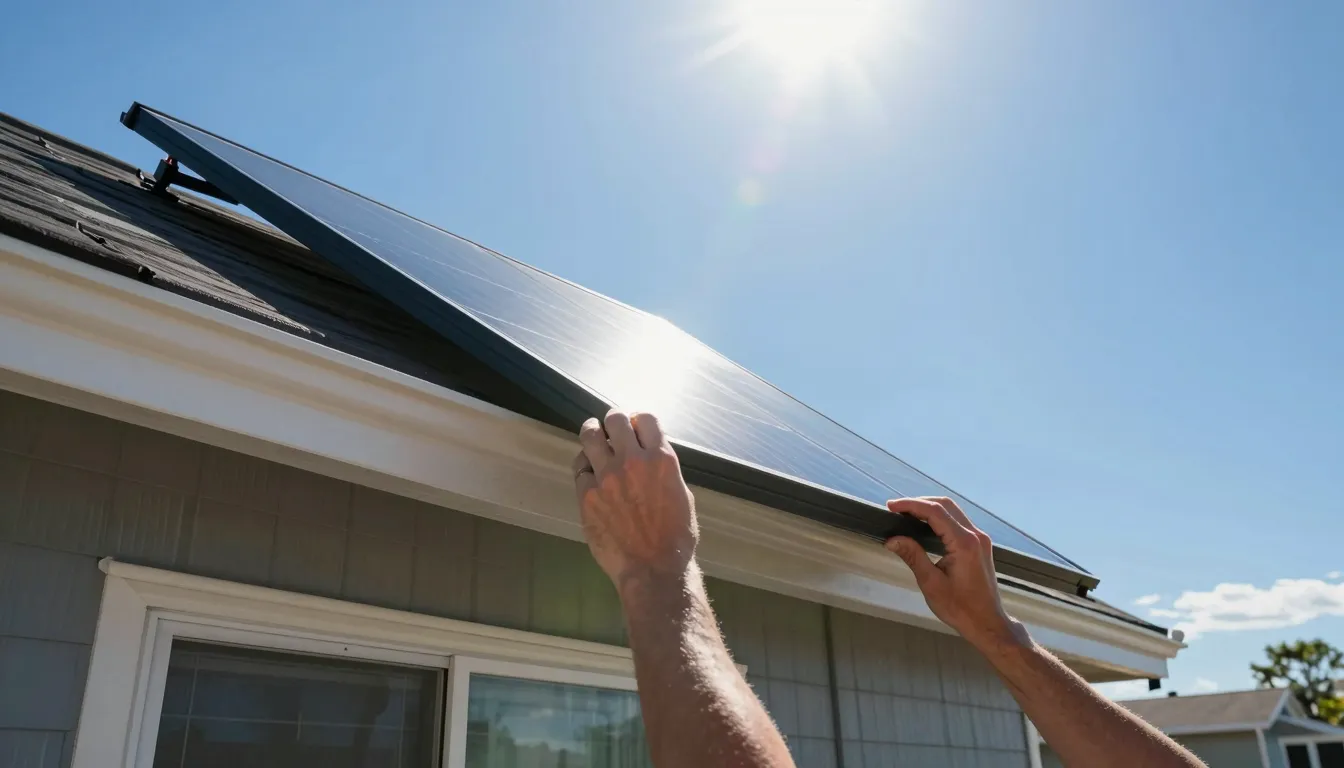
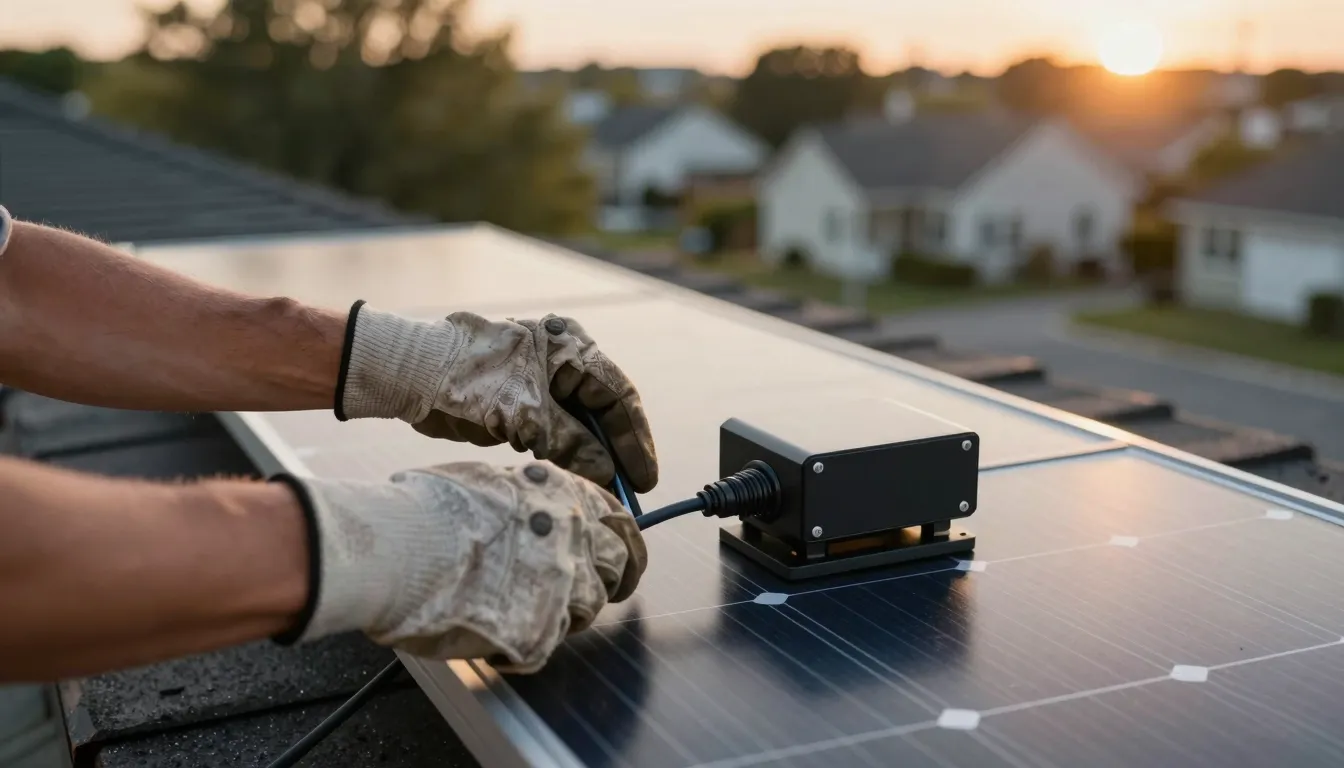
Executing a physical roof mount on a manufactured home demands strict adherence to waterproofing and electrical safety. A mobile home's rubber or thin metal roof membrane degrades quickly if compromised; drilling lag bolts directly into the trusses introduces leak points that rapidly rot internal framing. Electrical compliance is non-negotiable; grid-interactive setups must be wired to code. We detail grounding and routing fundamentals in our rv solar panel installation guide, which covers 12V and 120V crossover safety concepts equally applicable to stationary mobile structures.
Choosing a dedicated ground mount eliminates roof penetrations entirely. Alternatively, modern plug-in micro solar units operate by connecting a microinverter output straight into a compliant, dedicated exterior 15A or 20A grounded electrical receptacle. This sidesteps complex breaker box panel upgrades, though you must ensure the exterior circuit is rated appropriately and not heavily loaded by other household appliances.
Mobile Home Solar Savings: How Much a 600W Kit Saves Annually
Return on investment relies strictly on geographical sun exposure and local utility rates. A 600W ground or rail kit offsets constant "vampire loads" inside the home, such as the refrigerator, modem, and standby electronics. If you position an unshaded 600W kit facing south in a high-sun southern state, system modeling estimates an annual production of roughly 900 kWh.
Applying a baseline electricity cost of ~16¢ per kWh gives an estimated utility savings of roughly $144 per year. If that 600W hardware cost $750 at retail, the payback timeline is approximately 5.2 years, assuming electricity rates remain flat. System outputs naturally drop in cloudier northern latitudes or shaded lots, stretching that payback timeline further.
Pros
- Eliminates risk of voiding home roof warranties
- Zero professional installer or electrician fees
- Portable asset you can pack up if you relocate the trailer
Cons
- Small 600W threshold only offsets baseline bills, will not power an entire home
- Takes up valuable yard or patio footprint
- Requires dedicated exterior receptacle to operate legally
Off-Grid vs. Grid-Tied: Powering Your Mobile Home with Solar
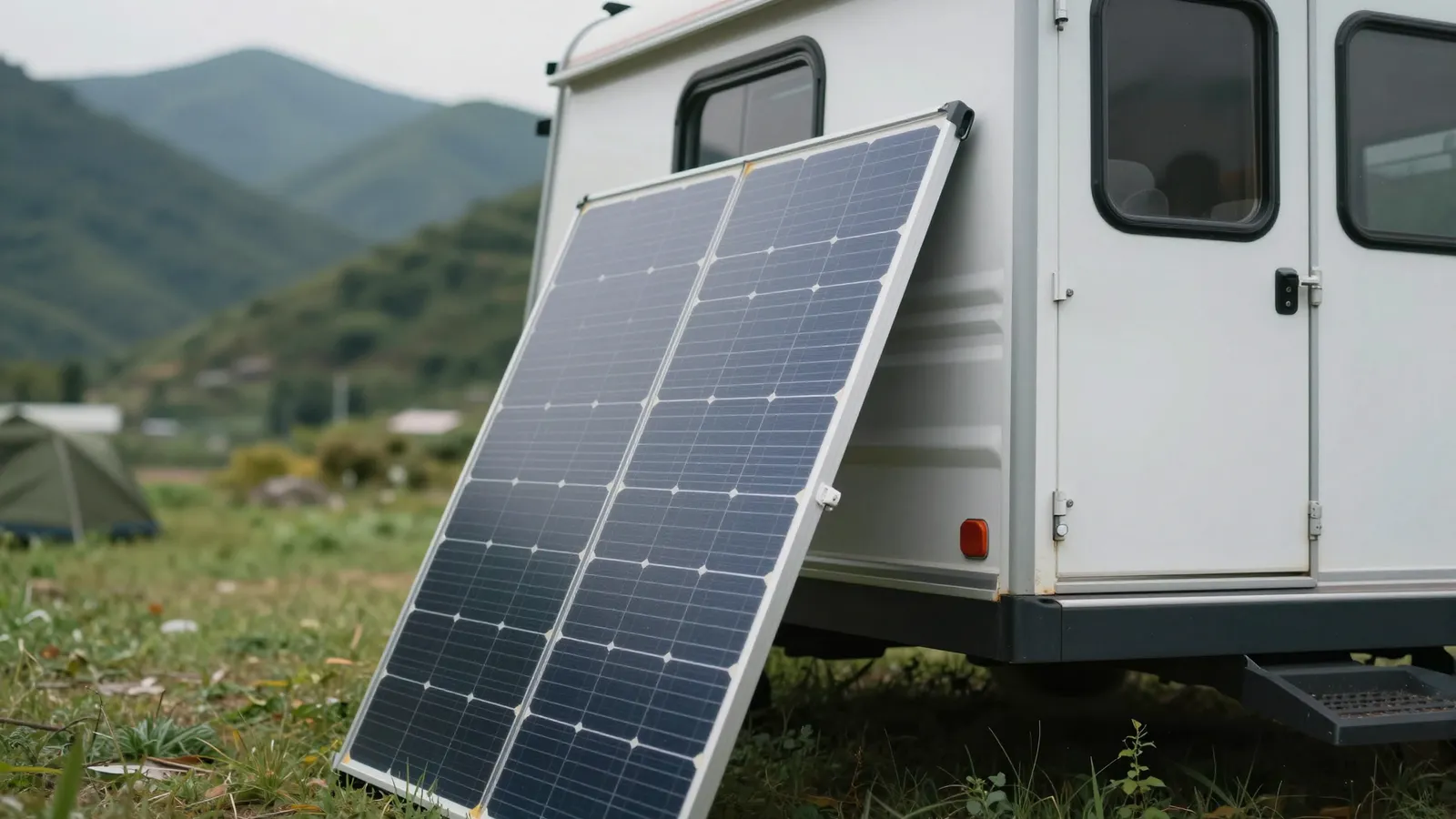
Selecting hardware hinges on whether you intend to store power or immediately consume it. Grid-tied plug-in solar works synchronously with utility power; it feeds micro-inverter AC power into your circuits to slow the meter down. It is highly cost-effective but shuts off instantly during a grid outage to prevent back-feeding live electricity into downed power lines.
Off-grid systems utilize charge controllers and battery banks to physically store DC power. This makes a mobile home resilient against grid failures but requires massive upfront capital for battery chemistry. Renters frequently ask what's the cheapest way to heat a mobile home while assuming local solar is the answer. In reality, running conventional resistive electric space heaters drains battery banks in minutes. Heating is most economically achieved via an efficient 120V mini-split heat pump, supplemented during daylight hours by grid-tied solar panels.
Navigating Permits and HOAs: Getting Approval for Your Mobile Home Solar System
Operating a solar setup hinges heavily on lot ownership. Owners residing on private property simply deal with local municipal permit offices. However, if your manufactured home sits on leased land inside a mobile home park, management associations commonly forbid permanent exterior property modifications or mandate strict aesthetic compliance.
This specific constraint explains a prominent industry trend. When buyers research arrays, they often wonder: why are people getting rid of their solar panels? In the manufactured housing sector, homeowners who signed 20-year Power Purchase Agreements (PPAs) frequently hit legal walls. If they want to relocate the mobile home, or they attempt to sell the home in a park that changes its roof-load bylaws, the binding permanent lease becomes an untransferable financial burden. Portable mini solar avoids this entirely—unplug the system and take it to the next leased lot.
Is Mobile Home Solar Right for You? A Checklist Before Buying
Before finalizing a purchase, audit your physical space. Look for a southern-facing yard footprint or sturdy patio rail that dodges shade from neighboring homes or park trees. Confirm the amp capacity of your exterior outlets, as overloading a breaker with an unsanctioned inverter will create thermal hazards. Always verify local HOA rules if renting a lot, ensuring temporary yard-based structures are not penalized by property managers.
Whether dialing back your power bill by $15 a month with a ground kit or preparing an off-grid shelter, properly sizing the hardware to your structural limit is vital.
Sources: To establish production math and grid savings, we utilized the NREL PVWatts calculator matched against average 2026 household electricity rates analyzed by the US Energy Information Administration. Installation safety principles are verified against standards published by the NFPA / National Electrical Code and the US Dept. of Energy. Variations in regional net metering policies and financial incentives are tracked via the state authority database at DSIRE. System costs and physical weight metrics are aggregated directly from published 2026 manufacturer documentation.
Can solar panels go on a mobile home?
Yes, but traditional heavy glass panels often exceed the roof load limits set by federal HUD manufacturing codes. Safe installations typically require either comprehensive structural framing retrofits or adopting ground-mounted patio systems that bear no load on the roof.
How much do solar panels cost for a mobile home?
Checking 2026 market prices, a full structural roof installation varies from $13,000 to over $18,000 due to complex retrofitting. Conversely, temporary 600W to 800W plug-and-play patio units require zero labor fees and range from $600 to $900.
Why are people getting rid of their solar panels?
Within mobile home communities, many homeowners become trapped by 20-year rooftop solar leases. If the homeowner needs to relocate the trailer to a new lot, or park management changes zoning rules, the lease terms make moving the physical asset incredibly difficult, pushing residents to aggressively terminate or remove setups.
What's the cheapest way to heat a mobile home?
An electric mini-split heat pump combined with daytime grid-tied solar offsetting the power pull provides the most economical heating. Attempting to power cheap, inefficient resistive space heaters entirely through an off-grid solar and battery setup scales costs into thousands of dollars due to sheer battery capacity requirements.